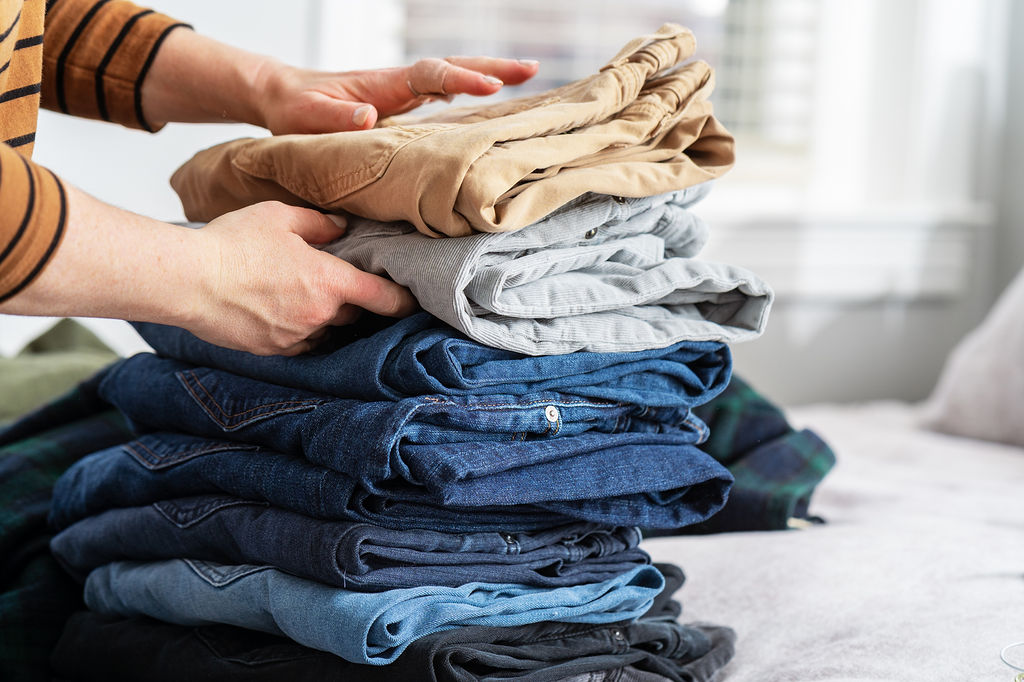
“But what if I’m that size again?”
For nine and a half years, the question I’ve been asked most while standing with clients in front of overstuffed closets is: “But what if I’m that size again?”Most often, it’s a plea about clothing in sizes smaller than someone’s current body, visions of slipping back into college-era going-out tops or the first “fancy suit” they bought when starting a career.
But recently, that same fear has begun emerging about clothing in larger sizes as well, usually because of time spent on one of the new weight-loss medications that have become so common in the past several years. It’s not unusual for someone on these medications to move through as many as five clothing sizes in a year.
That’s what happened to me.
To address some underlying health conditions, and to finally step off the diet hamster wheel I’d been on for more than 30 years, I started taking a GLP-1 last year. This is neither a medical advice column nor a personal journal entry, so I’ll leave out the specifics. What matters is this: I feel great (my top priority), and I’m wearing clothing many sizes smaller than before I began the medication.
Many of my clients and people I know have experienced similar changes. And when your body shifts quickly, your closet becomes a complicated emotional landscape. I’m seeing the same patterns again and again, so here are three major concerns that come up in what I’m calling “GLP closets,” along with how I recommend navigating them.
1. The Cost
Building a wardrobe that fits your current life and body is expensive. You need enough well-fitting basics to get through a normal week (clothes for work, home, errands, and movement) without scrambling on laundry day. Meanwhile, clothing prices have risen even as quality in many brands has declined. It’s completely understandable to feel frustrated when you look at a closet full of items you spent real money on that no longer fit.
Recommendation:
During periods of size fluctuation, focus on temporary and low-cost wardrobe solutions. Buy secondhand whenever possible. Look for local clothing swaps or check online community groups. Resell items you’re letting go of through ThredUp, The RealReal, or consignment shops to help offset the cost of replacing them. Avoid investing in higher-end pieces until your size stabilizes, and choose garments that can be easily tailored so they stay useful across small size shifts. Think of this as a wardrobe “bridge period” functional, flexible, and intentionally budget-conscious.
2. The What-Ifs
The most common fear people name is: “What if I become that size again and regret letting these clothes go?” This worry usually comes from two places: the financial investment, and the emotional desire to avoid revisiting past weight changes. And for people who stop weight-loss medications, regaining some or all of the weight IS possible. That uncertainty can make decisions about editing a wardrobe feel high-stakes.
Recommendation:
Create a structured, limited system for keeping “just in case” items. Dedicate one small bin or carry-on suitcase per size you’re leaving behind. Fill it only with pieces that genuinely matter: your favorites, high-quality items, or those that would be very expensive to replace. Everything else can go. This approach acknowledges the emotional reality of weight fluctuation without allowing it to consume your entire closet. You’re honoring the uncertainty without letting it take over your space.
3. The Self-Image
Even when a size change is desired, it can be disorienting to see yourself in a new body. Clothing is deeply tied to identity; we often feel most like ourselves in the outfits that once felt familiar and comfortable, even when they no longer fit. Many people delay buying clothes that match their new size because they haven’t yet internalized that the person they see in the mirror is still them. There’s often a gap between the physical change and the emotional one.
Recommendation:
Start by remembering that your identity is bigger than any size label. Clothing is a way to express who you are, but it is not who you are. Think about the other roles and qualities that define you: a friend, a parent, a partner, a colleague, a reader, a creator, a human being with depth and complexity. Let this fuller sense of self guide your clothing choices. When bringing in new pieces, select items that reflect who you are today and support the life you’re living now. Updating your wardrobe isn’t about becoming a different person, it’s about caring for the one you already are.
As someone who is in the middle of this size-shifting journey myself, I know how disorienting it can feel to watch your closet change faster than you can keep up with it. Body changes, whether from medication, aging, stress, illness, or simply moving through life, are a universal experience, and our closets often become the archive of those transitions. If your wardrobe feels confusing or emotionally charged right now, you’re not alone; I’m living it too. Treat this moment with compassion and practicality: keep what truly matters, release what no longer serves you, and let your closet evolve alongside your body. This isn’t about chasing an old size or predicting a future one, it’s about supporting the life you’re living today, with clarity, dignity, and care.
Professional Organizer in Washington DC
If your closet is shifting along with your life, I can help. As a professional organizer in Washington, DC, I specialize in thoughtful, sustainable closet organization that supports every size, season, and stage. Book your session today and let’s create a wardrobe that works for you.